How to Check Credit Report History in the UK - Full 2026
23rd Nov 2025
Understanding your credit profile is more important than ever in 2026. Whether you are applying for a mortgage, car finance, a personal loan, or simply want to stay financially healthy, reviewing your credit report regularly ensures you always know where you stand. This comprehensive guide explains how to check credit report history in the UK, what your report contains, how to identify mistakes, and the best tools available to help you monitor your financial footprint.
If you're looking to perform a credit history check UK quickly and securely, this guide will walk you through everything you need to know.
1. What Is a Credit Report History?
Your credit report history is a detailed record of your financial behaviour. Lenders use this information to determine if you are a responsible borrower and whether you qualify for credit products.
A typical UK credit report includes:
- · Personal information (name, address, date of birth)
- · Credit accounts (loans, credit cards, mortgages)
- · Payment history (on-time, late, missed payments)
- · Credit limits and balances
- · Financial associations
- · Public records (CCJs, IVAs, bankruptcies)
- · Search history by lenders and organisations
Your credit report history is dynamic and updated monthly by lenders and credit reference agencies (CRAs). Reviewing it regularly ensures your financial data remains correct and up-to-date.
2. Why You Should Check Your Credit Report History in 2026
In 2026, financial institutions increasingly use automated systems and AI-driven checks to assess creditworthiness. This means even small inaccuracies can affect your credit applications.
Here’s why it’s important to check credit report history:
✔ Detect errors early
A wrong address, duplicated account, or mistaken missed payment could lower your credit score.
✔ Prevent fraud
If someone applies for credit in your name, you’ll spot it instantly by checking your report.
✔ Improve your approval chances
Knowing your financial status helps you prepare before major applications like mortgages or car finance.
✔ Manage your score proactively
A clear understanding of your report helps you improve your credit standing over time.
3. Where to Check Credit Report History in the UK
There are three main CRAs in the UK. Accessing your full report from each gives the most complete picture of your credit data.
1. Experian
The largest CRA in the UK. Known for detailed reports and credit scores used by many high-street lenders.
2. Equifax
Provides comprehensive financial data and alerts for suspicious activity.
3. TransUnion
Previously Callcredit, widely used for mobile phone and utility account checks.
Fastest Way to View Your Credit History
For a quick and reliable credit history check UK, platforms like CreditCheckOnline.co.uk make the process simple, secure, and user-friendly. You can access a full overview of your credit report with streamlined features ideal for both personal review and financial planning.
4. Step-by-Step: How to Check Credit Report History in the UK (2026 Process)
Follow these steps for an accurate and complete view of your credit report history:
Step 1: Choose a trusted credit checking service
Select a reliable provider that offers full report access, updates, and monitoring features.
Platforms like CreditCheckOnline.co.uk offer fast access without complicated sign-ups.
Step 2: Verify your identity
You will typically need to confirm:
- · Full name
- · Current and previous addresses
- · Date of birth
Some services may ask security questions based on past credit activity.
Step 3: Access your full credit report
Once verified, you can see:
- · Active and closed accounts
- · Payment timelines
- · Borrowing limits
- · Missed or late payments
- · Public record entries
Step 4: Review your credit history in detail
Look for:
- · Accounts you do not recognise
- · Incorrect payment statuses
- · Outdated information
- · Duplicate listings
Step 5: Dispute any incorrect information
Each CRA lets you raise disputes directly. Corrections typically take 28 days.
5. What You’ll Find in Your 2026 Credit Report
Your report may include newer data types introduced as AI systems become more advanced:
Open Banking Data (Optional)
If you grant permission, lenders may access spending patterns and account behaviours for more accurate assessments.
AI Fraud Tracking
Reports now include alerts when algorithms detect unusual behaviour linked to your identity.
Enhanced Payment History
More companies now report activity, including:
- · Buy Now Pay Later (BNPL)
- · Utility providers
- · Subscriptions (in some cases)
6. How Often Should You Check Your Credit Report?
Experts recommend reviewing your credit report:
- · Every 3 months for general financial health
- · Before applying for a mortgage, loan, or credit card
- · Immediately if you suspect identity theft or fraud
Regular monitoring ensures you stay informed and protected.
7. Tips to Improve Your Credit Report History in 2026
After you check credit report history, consider these steps to enhance your financial profile:
✔ Pay bills on time
Payment history is the biggest factor in your credit score.
✔ Keep balances low
Aim to use less than 30% of your available credit.
✔ Avoid unnecessary applications
Multiple hard searches in a short period can lower your score.
✔ Register on the electoral roll
This helps confirm your identity and boosts lender confidence.
✔ Monitor for fraud
Report any unrecognised activity immediately.
8. Check Your Credit Report History Quickly
If you want a fast, accurate credit history check UK, visit CreditCheckOnline.co.uk. A secure and efficient way to review your full credit report history and stay in control of your financial future.
Conclusion:
Staying on top of your financial information is essential in an increasingly digital and automated world. Learning how to check credit report history in the UK empowers you to take control of your credit profile, correct mistakes, and present the strongest financial picture when applying for credit.
By reviewing your report regularly and using trusted platforms such as CreditCheckOnline.co.uk, you can maintain a healthy financial profile throughout 2026 and beyond.
Frequently Asked Questions
1. What is the difference between a credit report and a credit score?
Answer: A credit report is a detailed record of your financial activity, including accounts, payments, credit applications, and public records. A credit score is a numerical rating based on that information. Lenders check both before approving credit.
2. Does checking my credit report lower my score?
Answer: No. When you check your credit report, it counts as a soft search, which does not affect your score. Only hard searches by lenders impact your credit file.
3. How long do missed payments stay on my credit report?
Answer: Missed or late payments stay on your report for six years from the date they were recorded, even if you later pay the balance.
4. How long do CCJs stay on my credit history?
Answer: A County Court Judgment remains on your credit report for six years, unless paid within one month, which allows for removal.
5. Can I remove incorrect or outdated information?
Answer: Yes. If you find an error, you can raise a dispute with the CRA. They typically respond within 28 days, and incorrect entries must be corrected or removed.
6. How often do lenders update my credit information?
Answer: Most lenders update payment history and balances every 30 days, but some may take up to 6–8 weeks.
7. Can I check my credit history for free?
Answer: Yes. All three major CRAs offer free report access. Platforms like CreditCheckOnline.co.uk provide fast access with simpler tools and monitoring features.
8. Why do different companies show different credit scores?
Answer: Each CRA uses its own scoring system, and not all lenders report to all agencies.
That’s why reviewing all three reports gives the most accurate financial picture.
9. How can I quickly improve my credit history?
Answer:
- · Pay all bills on time
- · Reduce credit card balances
- · Avoid multiple applications
- · Get on the electoral roll
- · Monitor your report regularly
- · Small habits make a major long-term difference.
Don't risk missing
something important
Access a comprehensive credit report
that includes detailed data from TransUnion
View your credit score for only £1.95.
You can view it for 1 month, after which it will be £14.95 per month unless cancelled.
See How You Score
See How You Score
An Independent View Of Your Credit Score
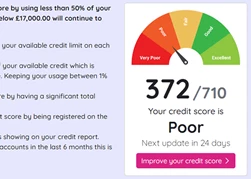
Lenders typically use their own systems to calculate your Credit Score based on the information in your Credit Report, often checking with one or more Credit Reference Agencies. Your Credit Check Online Credit Score is derived from all the Credit Report information we gather from TransUnion, helping you understand how you might be assessed when applying for credit.
Understand What is Affecting Your Credit Score
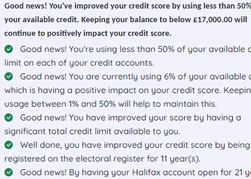
Quickly see how the details in your Credit Report influence your Credit Check Online Credit Score, both positively and negatively. This clear overview helps you identify areas for improvement and better understand the factors that lenders consider when assessing your creditworthiness.
View your credit score for only £1.95.
You can view it for 1 month, after which it will be £14.95 per month unless cancelled.